

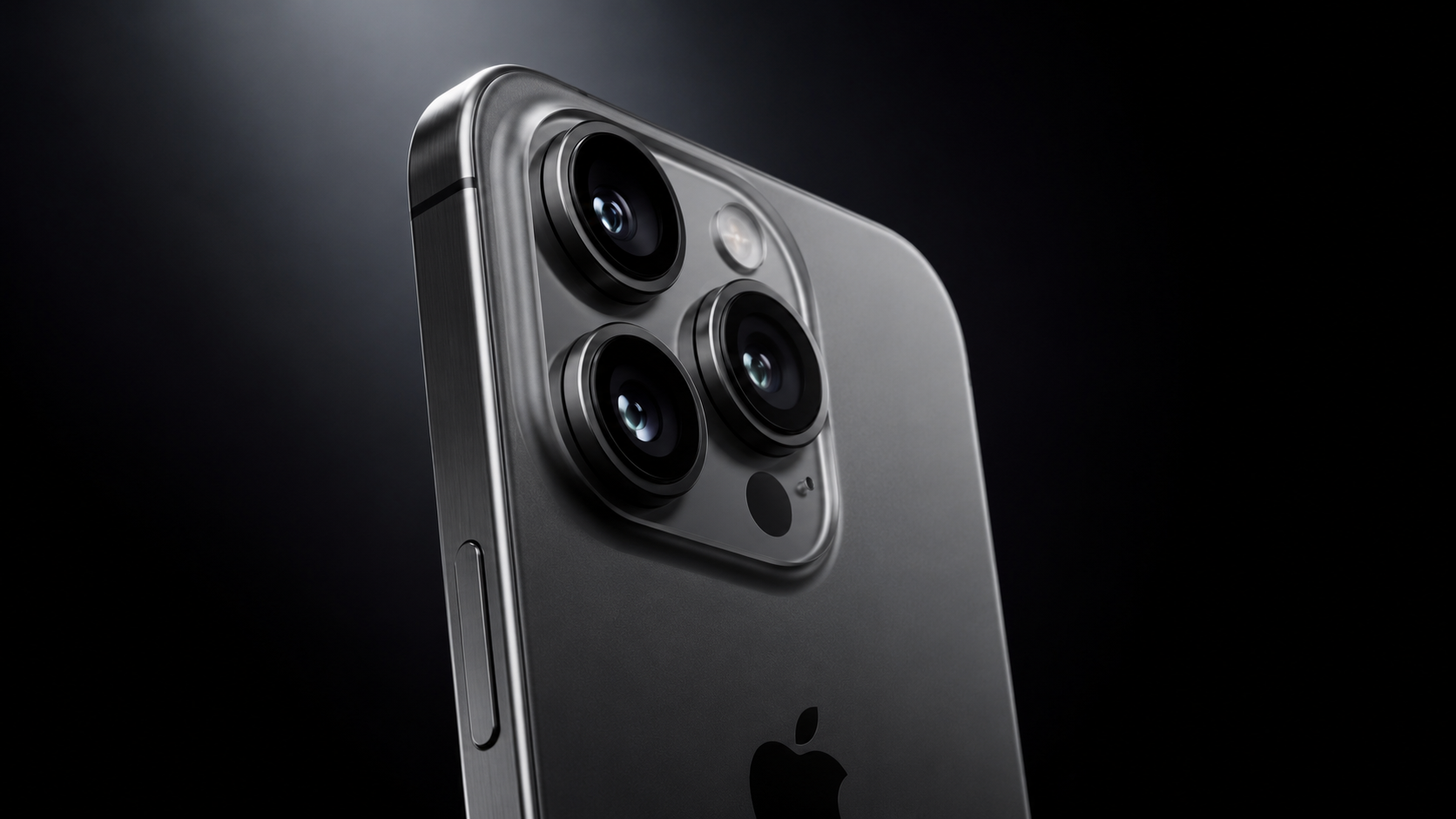
Reports from respected analysts including Ming-Chi Kuo indicate that the iPhone 18 Pro and 18 Pro Max will feature a variable aperture on the main 48MP camera lens, signaling one of the most significant camera advancements in recent Apple history. While smartphone brands such as Samsung, beginning with the Galaxy S9 and S10, and Xiaomi have previously experimented with this technology, this development marks a substantial mechanical pivot for Apple, a company that has traditionally favored computational photography over mechanical lens adjustments. This shift represents a notable evolution in Apple’s approach to camera engineering and underscores the company’s willingness to embrace hardware innovation when the benefits justify the complexity.
To understand the significance of this change, it helps to consider how current iPhones operate. Existing models use a fixed aperture, such as the f/1.78 found on recent Pro versions, which means the lens opening remains constant regardless of shooting conditions. A variable aperture, by contrast, physically adjusts the size of the lens opening, unlocking several meaningful advantages that extend well beyond marketing hype and into the realm of genuine creative and technical improvement.
The first major benefit lies in the realm of natural bokeh and depth of field. Rather than relying on software to artificially blur backgrounds, which can sometimes produce patchy or inconsistent results around intricate details like hair or fine edges, a variable aperture can physically change the lens opening to create true, optical background blur. This optical approach yields more authentic and pleasing results, bringing smartphone photography closer to the quality traditionally associated with dedicated cameras and professional lenses.
For mobile videographers, the introduction of variable aperture represents a particularly compelling advancement. The ability to narrow the aperture in bright daylight allows creators to maintain the “180-degree shutter rule,” which governs ideal shutter speeds for achieving realistic motion blur, without the need to attach external neutral density filters. This capability removes a significant practical barrier for serious videographers, streamlining the creative process and enabling more cinematic results directly from the device. For a growing community of content creators who rely on their smartphones for professional-quality video, this enhancement could prove transformative.
The advantages continue with improved edge-to-edge sharpness, particularly valuable when shooting landscapes or group photos in bright conditions. By narrowing the aperture, the camera ensures that the entire frame remains crisp and well-defined, avoiding the natural softening at the edges that typically occurs when shooting with the lens wide open. This benefit speaks to the versatility that variable aperture brings, allowing photographers to optimize their settings for a wider range of scenarios and achieve consistently sharp results across diverse shooting environments.
However, this technological leap comes with notable behind-the-scenes considerations, particularly regarding cost. Incorporating mechanical moving parts into a microscopic phone camera module presents substantial engineering and manufacturing challenges. The complex lens system, reportedly supplied in large part by Sunny Optical, is estimated to cost Apple roughly 50 percent more to manufacture than the fixed seven-element lens system used in previous models. This significant increase in production expense reflects the inherent difficulty of miniaturizing sophisticated mechanical components while maintaining the reliability and precision that consumers expect.
The question of how this added cost will affect consumers remains a subject of considerable interest. Despite the spike in manufacturing expenses, supply chain insiders suggest that Apple may absorb the additional cost to keep entry-level Pro pricing stable, a strategy that would help maintain the device’s competitive positioning. Nevertheless, some market analysts caution that the increased costs could prompt a minor retail price increase, depending on the base storage tiers offered. This uncertainty highlights the delicate balance Apple must strike between delivering cutting-edge technology and maintaining accessible pricing for its premium product line.
Should production timelines hold steady, anticipation is building for Apple to officially showcase this physical camera advancement alongside the new A20 Pro chip. The combination of a groundbreaking variable aperture system and a next-generation processor positions the iPhone 18 Pro and 18 Pro Max as potentially transformative devices in Apple’s lineup. As the technology industry continues to push the boundaries of mobile photography, this development signals Apple’s renewed commitment to hardware innovation, promising to deliver meaningful improvements that photographers and videographers alike will appreciate. For consumers eagerly awaiting the next evolution of the iPhone, this camera leap represents an exciting glimpse into the future of smartphone imaging.








